
Tick and mosquito control in Michigan involves a combination of professional barrier treatments, habitat modification, and strategic property maintenance. By targeting nesting areas and moisture zones, homeowners can significantly reduce the risk of Lyme disease and West Nile virus while reclaiming their outdoor living spaces from invasive pests.
Why is Tick and Mosquito Control Necessary in Michigan?
As we approach 2026, the demand for Tick & Mosquito Control in Michigan has reached an all-time high. Residents from the Grand Haven shoreline to the wooded estates of Ada are witnessing a significant shift in local ecosystems. Warmer winters and increased humidity have created a "perfect storm" for pest populations to thrive. In West Michigan, specifically, the density of deer populations and the proximity to lush, forested areas mean that ticks are no longer just a concern for hikers; they are a direct threat to your backyard.
Blacklegged ticks, the primary carriers of Lyme disease, have expanded their territory significantly across the Lower Peninsula. What used to be a coastal concern has migrated inland, affecting properties throughout Greater Grand Rapids. When you invest in your outdoor living space, you shouldn't have to worry about the health risks associated with a simple afternoon on the patio. Effective control is not just about comfort; it is a critical component of property safety and family health.
Mosquitoes, while often seen as a mere nuisance, also carry significant risks including West Nile Virus and Eastern Equine Encephalitis (EEE). Michigan’s unique topography—characterized by many inland lakes, rivers, and seasonal wetlands—provides an ideal breeding ground for these insects. A single stagnant birdbath or a clogged gutter can produce thousands of mosquitoes in a single cycle. This is why a comprehensive approach to Pest Control Spraying is essential for any high-end estate owner who values their time outdoors.
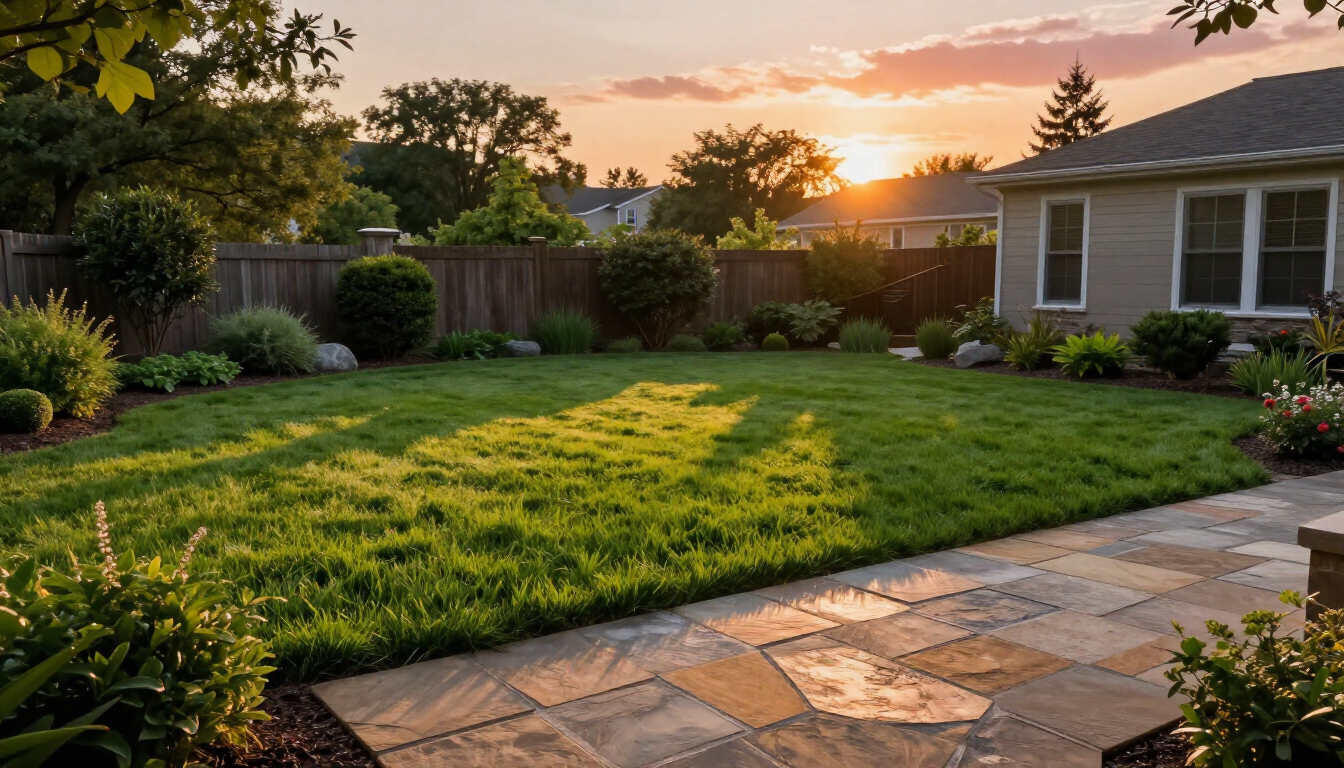
Health officials have been sounding the alarm regarding the increased prevalence of Lyme disease across West Michigan counties. The blacklegged tick (Ixodes scapularis) has found a hospitable home in the varied terrain of our region. From the sandy dunes of Grand Haven to the rolling hills of Ada, these arachnids wait in the tall grass and leaf litter for a host. The "questing" behavior of ticks allows them to latch onto pets, children, and adults, often going unnoticed due to their nymph-stage size, which is no larger than a poppy seed.
Reducing Lyme disease risk starts with understanding where these pests live. They thrive in the transition zones—where the manicured lawn meets the wooded edge. For many lakefront estates in Spring Lake, these transition zones are extensive. Without proper Landscape Maintenance , these areas become hotspots for tick activity. Professional landscaping services focus on creating clear boundaries that discourage ticks from migrating into active play and relaxation areas.
5 Ways to Reduce Pest Habitats on Your Property
- Clear Leaf Litter: Ticks love the moisture and insulation of dead leaves; removing them reduces nesting sites.
- Maintain Lawn Height: Keeping grass short through regular Lawn Care prevents ticks from climbing to questing heights.
- Manage Moisture: Ensure your Irrigation Maintenance is up to date to prevent standing water where mosquitoes breed.
- Create Hardscape Barriers: Woodchips or gravel borders between woods and lawns can physically stop tick migration.
- Prune Overhanging Branches: Increasing sunlight to the ground dries out the damp environments mosquitoes and ticks prefer.
By implementing these structural changes, you create a landscape that is naturally inhospitable to pests. However, habitat modification is often only half the battle. For properties adjacent to heavy woods or water, professional intervention is the only way to ensure total protection.
Professional Pest Control Spraying vs. DIY Methods
Many homeowners attempt to manage pests with over-the-counter foggers or store-bought granules. While these might provide temporary relief for a few hours, they rarely address the root of the problem. High-end Pest Control Spraying utilizes specialized equipment and professional-grade solutions that adhere to foliage, providing a residual barrier that lasts for weeks, not hours. At Alfresco Landscapes, we understand that a "one-size-fits-all" approach doesn't work for unique West Michigan terrains.
Professional treatments focus on the undersides of leaves and the deep recesses of shrubs—the exact places where mosquitoes hide during the heat of the day. Furthermore, professionals understand the lifecycle of the Michigan mosquito. By timing treatments to coincide with breeding cycles, we can prevent the next generation from ever taking flight. This proactive approach is far more effective than the reactive "spray when you see them" method used by most DIYers.

Best Landscape Practices to Reduce Tick Habitats
Your Landscape Design plays a pivotal role in pest management. A well-designed yard isn't just beautiful; it's functional. Incorporating plants that are less attractive to deer can indirectly reduce tick populations, as deer are the primary transport mechanism for adult ticks. Additionally, proper drainage planning prevents the pooling of water after heavy Michigan spring rains, which is the primary cause of mosquito surges in June and July.
In areas like Grand Rapids and Ada, where estates often feature elaborate gardens, Plant & Bed Maintenance is crucial. Overgrown garden beds with thick groundcover provide the perfect humid microclimate for ticks. By thinning out dense plantings and ensuring proper airflow, you make your ornamental beds less attractive to pests. We recommend a